
LUCIAN GHEORGHE GRUIONU

Professor Gruionu has extensive international research experience, having worked as a researcher and collaborator at prestigious institutions in the United States, including Johns Hopkins University, Georgetown University, and Indiana University School of Medicine. His work has been carried out in close collaboration with clinicians, addressing real clinical needs in minimally invasive procedures, particularly in bronchoscopy, endoscopy, interventional radiology, and oncologic diagnostics.
He has served as principal investigator and project director for numerous national and international research grants, including large collaborative projects funded through European and Norwegian mechanisms, focusing on artificial intelligence, robotic navigation, and innovative medical devices. His research has led to the design and validation of novel robotic platforms for flexible instrument navigation, as well as AI-based systems for radiation-free guidance in complex anatomical environments.
Professor Gruionu is the author and co-author of over one hundred peer-reviewed journal articles, conference papers, and book chapters, and he is an inventor of patented medical devices in the field of medical robotics and image-guided interventions. In parallel with his academic activity, he is co-founder and CEO of an R&D-oriented company, actively involved in the translation of research results toward clinical and industrial applications.
His current research interests lie at the intersection of robotics, sensing technologies, and artificial intelligence, with the objective of developing safer, smarter, and clinically relevant systems that enhance physician capabilities and improve patient outcomes in minimally invasive medicine.
The title of the presentation: From Robotic Catheter Control to AI Shape Sensing in Lung Bronchoscopy
Abstract
Early diagnosis of peripheral lung cancer remains a major clinical challenge due to the limited reach of conventional bronchoscopes and the heavy reliance on fluoroscopy or electromagnetic tracking, exposing both patients and clinicians to ionizing radiation. This talk presents a unified robotic and AI-driven framework for safe, precise, and radiation-free navigation of flexible instruments inside the lung airways.
The presentation integrates two complementary technological directions developed and validated by our research group:
- a compact robotic platform (RoboCath) for precise manipulation of long, flexible catheters during bronchoscopy, designed to seamlessly integrate with standard bronchoscopes. The robot enables controlled translation and rotation of instruments beyond the bronchoscope tip, significantly improving access to peripheral lung regions while reducing procedural complexity and X-ray dependency. Extensive feasibility testing in anatomically accurate lung phantoms demonstrated reliable navigation across multiple bronchial generations with a small operating-room footprint and sterilization-compatible design
- a novel shape-sensing navigation system based on Fiber Bragg Grating (FBG) technology and artificial intelligence (AIrShape), capable of tracking the entire catheter shape in real time. By matching the measured catheter geometry to precomputed airway centerlines using a multi-view convolutional neural network, the system identifies the active airway without fluoroscopy or electromagnetic tracking. Experimental validation showed a mean airway identification accuracy of approximately 91%, enabling safe navigation toward peripheral lung lesions beyond the reach of conventional imaging guidance
Together, these results demonstrate how robotic actuation, optical shape sensing, and AI-based anatomical reasoning can be combined into next-generation bronchoscopy platforms. The proposed technologies pave the way for radiation-free, cost-effective, and scalable robotic systems for early lung cancer diagnosis, with strong potential for future preclinical and clinical translation.
HAROON ELAHI

His research interests include identifying and solving privacy, security, and trust issues of emerging technologies in the rapidly changing privacy and security threat landscapes. He is also interested in identifying and solving problems arising from placing the solutions based on these technologies in operational settings. He has published over twenty articles and conference papers at reputed venues, including IEEE TDSC, IEEE TCSS, IEEE IoT Journal, IEEE TVT, Information Sciences, Computer Standards and Interfaces, and Neurocomputing.
Abstract
Regulating high-risk artificial intelligence (AI) systems is an urgent issue, yet technical infrastructure for their effective regulation remains scarce. In this paper, we address this gap
by identifying key challenges in developing technical frameworks for AI systems’ regulation and proposing conceptual, methodological, and practical solutions to address these challenges. In this regard, we introduce the concept of AI’s operational qualification and propose the temporal self-replacement test, akin to certification tests for human operators, to examine the AI’s operational qualification. We propose measuring AI’s operational qualification across its operational properties critical for its regulatory fitness and introduce the operational qualification score as a pragmatic measure of AI’s regulatory fitness. In addition, we design and develop a Secure Framework for AI Regulation (SFAIR), a tool for automatic, recurrent, and secure examination of an AI’s operational qualification and attestation of its regulatory fitness, leveraging the proposed test and measure. We validate the efficacy of the temporal self-replacement test and the practical utility of SFAIR by demonstrating its capability to support regulatory authorities in automated, recurrent, and secure AI qualification examination and attestation of its regulatory fitness using an open-source, high-risk AI system. Finally, we make the source code of SFAIR publicly available.
OCTAVIAN ADRIAN POSTOLACHE

The title of the presentation: Digital Transformation in Healthcare: Smart Physical Therapy
Abstract
The convergence of healthcare, instrumentation and measurement technologies will transform healthcare as we know it, improving quality of healthcare services, reducing inefficiencies, curbing costs and improving quality of life. Smart sensors, wearable devices, Internet of Things (IoT) platforms, and big data offer new and exciting possibilities for more robust, reliable, flexible and low-cost healthcare systems and patient care strategies. The data coming from the rehabilitation process is useful to create AI personalized models associated with physical rehabilitation plans optimization, patient outcome prediction, clinics resource optimization.
This tutorial highlights the development of rehabilitation solutions based on smart sensors virtual reality and serious games. As part of these interactive environments, 3D image sensors will be introduced for natural user interaction with rehabilitation scenarios and remote sensing of the user movements, along with thermal cameras for remote evaluation of muscle activity. Additionally, non-invasive monitoring technologies for tracking patients' posture, balance, and gait during the rehabilitation process will be presented. Developed prototypes, such as smart walkers and force platforms, will be discussed, providing quantitative insights related to physical rehabilitation outcomes.
The tutorial will also address challenges related to signal processing, data storage, representation, and analysis, including the formulation of specific metrics for assessing patient progress throughout the rehabilitation process. Elements regarding AI modeling, and AI implementation are considered taking into account that AI may provide to the clinical specialists knowledges about performance metrics after every training session, helping them better understand the motor limitations of the patient and the latest improvements.
OANA GEMAN
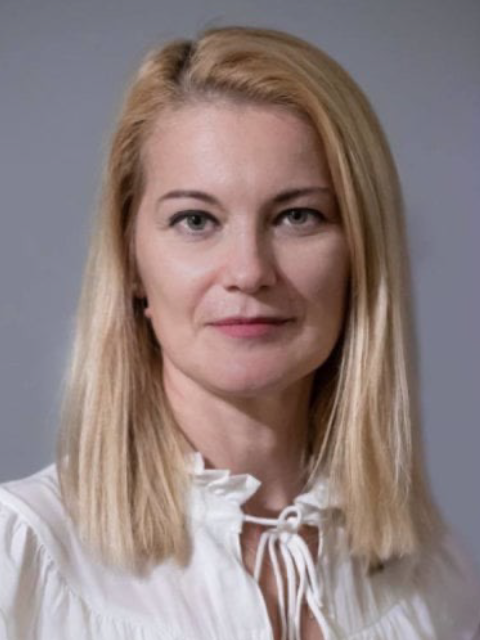
Dr. Oana Geman ((IEEE SM ‘18) is Medical Bioengineer and PhD in Electronics and Telecommunication and a post-doctoral researcher in Computer Science. She is currently a Senior Teaching Fellow (Professor) at Division of Data Science and Artificial Intelligence, Computer Science and Engineering, Chalmers University of Technology and University of Gothenburg, Sweden and an Associate Professor at University of Suceava, Romania. She obtained Habilitation in Electronics and Telecommunication Field in 2018. Within the past five years she published 10 books, has published over 100 articles in ISI Web of Science journals, with FI over 40), and her various works have been cited over 4000 times. She served as Chair of many Internationals Conferences or Organizer, Session Chair and member in Program or Technical Committees and a Senior Member IEEE. She has been a director or a member in 10 national and international grants. She was considered three years in the row by Stanford - Elsevier, in the top 2% of the highest cited scientists. Her current research interests include: non-invasive measurements of biomedical signals, wireless sensors, signal processing, and processing information by way of Artificial Intelligence such as nonlinear dynamics analysis, stochastic networks and neuro-fuzzy methods, classification and prediction, Data-Mining, Deep Learning, Intelligent Systems etc. She is a reviewer and editor of many top journals, including IEEE Transactions, IEEE ACCESS, AIHC Journal, IOT Journal, Sensors, Springer Nature Journals etc.
The title of the presentation: Machine Learning and Deep Learning in Brain Research
Abstract
The integration of neuroscience with artificial intelligence is transforming the way we study and understand the human brain. Machine Learning (ML) and Deep Learning (DL) offer powerful methods for making sense of the vast and complex data generated by modern brain research, from neuroimaging and electrophysiological recordings to behavioral measurements. These technologies enable more accurate diagnoses, earlier detection of neurological disorders, and deeper insights into how the brain functions in health and disease.
This lecture explores how ML and DL are applied in key areas of brain research, including neuroimaging analysis, brain–computer interfaces, and cognitive modeling. It introduces practical approaches for working with EEG, fMRI, MEG, and multimodal datasets, focusing on feature extraction, pattern discovery, and end-to-end deep learning models. Neural network architectures such as convolutional and recurrent networks are discussed in the context of brain state classification, disease prediction (ex. Autistic Spectrum Disorders), and the study of functional connectivity.
Finally, key challenges are addressed, including signal quality, data variability, model interpretability, scalability, and ethical concerns. The design, validation, and clinical deployment of AI models are discussed with a focus on how these methods can provide researchers and clinicians with clear, actionable information about brain performance, disease progression, and personalized interventions, supporting the development of precision neuroscience and improved brain health.
TAISHI YAMAKAWA
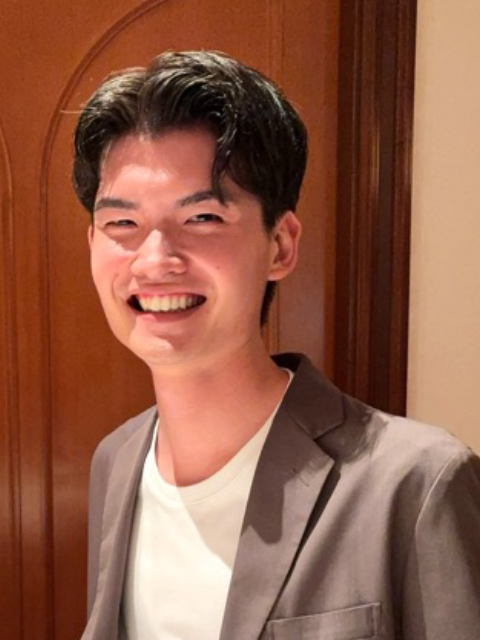
Taishi Yamakawa is a doctoral student in the Department of Electronics, Graduate School of Engineering at Nagoya University. He received his Master of Engineering degree from the same department in 2022. His research focuses on plasma-based modalities for cancer therapy, with particular emphasis on plasma–gas–liquid interactions that drive chemical modification and the synthesis of functional materials.
His current work includes the generation of anti-tumor agents and the analysis of cellular responses—such as cell death and autophagy—triggered by plasma-activated liquids to enhance therapeutic efficacy. He is also engaged in the design and optimization of plasma sources for biomedical applications. He has received research support from the Japan Science and Technology Agency (JST) SPRING and was awarded the Early Career Presentation Award at the 12th Japan Society of Applied Physics (JSAP) Nagoya University Student Chapter Academic Meeting. He currently works as a part-time lecturer in the Department of Electrical and Electronic Engineering at Meijo University, Japan.
His broader interests include plasma-induced chemistry, biomedical plasma applications, and the development of novel plasma-driven therapeutic strategies.The title of the presentation: Chemical functionalization of solutions via plasma-induced radical pathways at the gas–liquid interface
Abstract
Cancer remains a leading cause of death worldwide, demanding innovative therapeutic strategies. Conventional drug discovery relies on multistep and time-consuming organic synthesis, which can hinder translational and fundamental research progress.
Atmospheric-pressure plasma provides a highly non-equilibrium reaction field, characterized by extremely high electron temperatures while maintaining the bulk gas near room temperature. When applied to liquids, plasma rapidly generates bioactive solutions within minutes. These plasma-activated liquids have demonstrated selective cytotoxicity against various cancer cell types, including breast cancer and cervical cancer, with minimal effects on normal cells. However, the molecular mechanisms and formation pathways of the responsible reactive species remain unclear.
This presentation focuses on short-lived radical species as key reaction intermediates to elucidate the generation pathways of anticancer-active components in plasma-treated solutions. Using spectroscopic and chemical trapping analyses, radical dynamics and sequential reaction mechanisms were investigated. Cellular responses and the biological effects depended on the type and concentration of reactive species generated in plasma.
Therefore, radical reaction networks at the plasma–liquid interface will be presented, along with a “plasma-driven molecular design” as an emerging paradigm. Future perspectives include precise control of reactive species, on-demand synthesis of bioactive molecules, and predictive reaction modeling toward next-generation plasma medicine.CAMELIA MIRON

Camelia Miron is currently Associate Professor at Nagoya University, Center for Low-temperature Plasma Sciences. She received her BEng. degree in 2003 from the Faculty of Biomedical Engineering, University of Medicine and Pharmacy of Iasi, Romania. She worked as Assistant Researcher at the Department of Materials, Physics and Energy Engineering, Nagoya University, Japan, from where she also received her Ph.D. degree in engineering in 2011, in the field of plasma discharges for material synthesis. She continued her work as an experienced researcher at the Institute of Macromolecular Chemistry “Petru Poni” of Iasi, Romania, at the Leibniz Institute for Plasma Science and Technology, INP Greifswald, Germany, and as an associate Professor at Shibaura Institute of Technology, Tokyo, Japan.
Her research interests are in structural modification and synthesis of new materials by plasmas formed in liquids (e.g. polymers, nanomaterials), as well as drug delivery systems based on plasma-activated liquids (e.g chitosan, Ringer`s lactate, cyclodextrins, imines) for cancer treatment. She is a member of scientific societies (JSPS, Materials Science and Engineering), and an organizer and co-organizer of various national and international conferences. She acts as a reviewer for international journals, conferences, and grant agencies.
The title of the presentation: Drug delivery systems based on plasma-activated liquids for cancer treatment
Abstract
Cancer is the second leading cause of death globally, exerting tremendous physical, emotional, and financial strain on individuals and families. Despite ongoing improvements in cancer therapy, the number of people affected by this devastating disease is increasing. New developments in oncology are increasingly focusing on combination therapies (such as surgery, radiation, immunotherapy, and chemotherapy) that tackle tumor cells via several mechanisms, either simultaneously or consecutively. Due to the unsatisfactory clinical results, new therapeutic approaches are urgently needed. Cold atmospheric plasma (CAP) holds a promising perspective of becoming a new type of oncological therapy. CAP is used to treat a liquid that is transferred after irradiation to the treatment target, such as cancer cells or tissues. The newly generated chemically active species in plasma induce a selective cytotoxic effect on cancer cells, leaving the normal cells unharmed. Therefore, the plasma-activated liquids (PAL), as well as the development of drug delivery systems using these liquids, provide a foundation for clinical applications, offering patients a more effective and less harmful option. The development of drug delivery systems, such as hydrogels based on plasma-activated liquids (PAL), emerges as a novel indirect plasma-treatment modality that, compared to easily diluted PAL, can ensure precise delivery of chemically active compounds to targets to improve the bioavailability and provide a foundation for clinical applications to enhance selectivity during therapy.
MARCAL MORA-CANTALLOPS
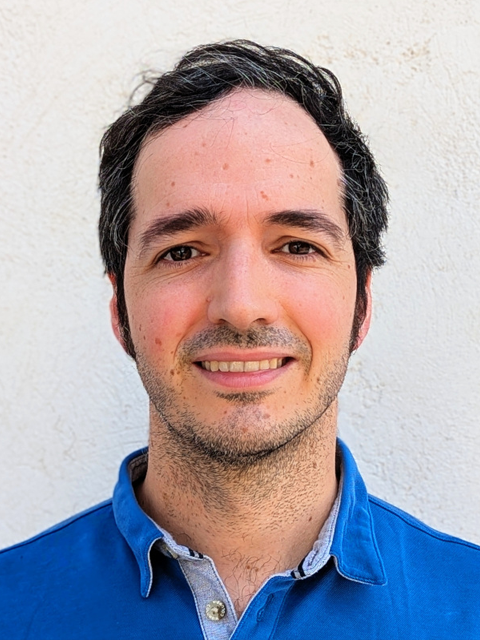
Science and Engineering group within the IRyCIS research institute (part of the Ramón y
Cajal Hospital in Madrid, Spain), which aims to research and apply computational methodsto all kinds of problems in biomedical contexts. As a researcher, he focuses on machine learning, social network analysis, data science, ethical AI, and game studies, havingauthored and published multiple related articles in the past few years. He also coordinatedthe Trustworthy AI Erasmus+ project and is currently coordinating the AIMS (AI for Medical Students) Erasmus+ project.
The title of the presentation: Preparing Future Clinicians for AI-Driven Biomedicine: the Educational Approach from the AIMS Erasmus+ Project
Abstract
Advances in artificial intelligence (AI), data-driven modelling, and digital technologies are increasingly influencing biomedical research and clinical practice. While these developments are reshaping diagnostic, monitoring, and therapeutic approaches, medical education is still adapting to prepare future clinicians to critically engage with such technologies.
This talk presents the AIMS (Artificial Intelligence for Medical Students) Erasmus+ cooperation project, which is currently in progress and focuses on supporting the responsible integration of AI into undergraduate medical education. Rather than addressing technical implementation alone, AIMS responds to a growing educational need: enabling medical students, educators, and academic leaders to understand, evaluate, and ethically use AI-supported tools in complex biomedical contexts.
At its current stage, AIMS is developing the Synergy Matrix, a structured mapping tool that links AI applications and data-driven technologies to existing medical curricula. This work is informed by consultations with medical educators, AI specialists, and academic leaders, and is designed to reflect real curricular constraints and clinical relevance. The project is also laying the foundations for an AI Competence Framework and related teaching resources that will support educators in embedding AI concepts meaningfully into medical training.
The presentation will focus on the AIMS approach, outlining the project’s methodology, early design choices, and underlying educational assumptions. Rather than presenting final results, the session aims to share work in progress and actively invite feedback from the academic and research community. Input from experts working at the intersection of biomedicine, physics, and technology will be used to refine the Synergy Matrix and inform subsequent project stages.
ALEXANDRU M. MOREGA
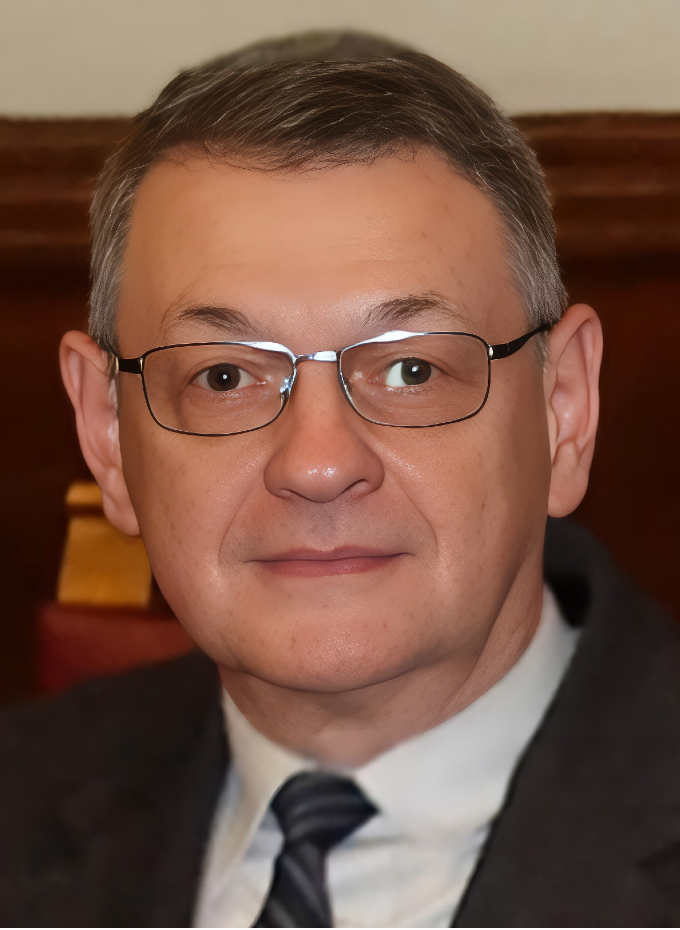
He is a member of the Romanian Academy, Engineering Sciences Section (since 2012), and coordinator of the Biomedical Commission. He also belongs to the Academy of Technical Sciences of Romania, Section of Electrotechnics and Energetics, and coordinates the Biomedical Commission in Engineering Sciences at the Romanian Academy (since 2014).
Prof. Morega was affiliated with the „Gheorghe Mihoc – Caius Iacob” Institute of Mathematical Statistics and Applied Mathematics, Romanian Academy (1995–2020), and continues as an associate researcher.
Currently a Senior Life Member of the EMBS and IAS societies, he has been affiliated with IEEE (serving as Chair of the EMB national chapter) and ASME since 1990. He has been a member of the Scientific Council of the International Centre for Heat and Mass Transfer (ICHMT) since 2010. He organizes the IEEE-ATEE Advanced Topics in Electrical Engineering conference series (nine editions since 2011) and is co-editor of several Constructal Law Conference series (2017, 2024, 2025).
He has participated in numerous research projects and grants, both national and international, including work at the Center for Advanced Power Systems (CAPS, Florida State University & Florida Agricultural and Mechanical University), Laboratoires d’Electrotechnique de Grenoble (France), Dept. of Mechanical Engineering, Energy Division (Yamaguchi University, Japan), and Dept. of Mechanical Engineering and Materials Science (Duke University, USA), among others. His research encompasses electromagnetic fields, heat and mass transfer processes and their biomedical applications, energy conversion and sources, complex fluids, double-diffusive convection, specialized equipment, HTS machines, structural optimization, and constructal design. He is the recipient of the “Tudor Tănăsescu” award of the Romanian Academy (2000), has authored over 400 papers in peer-reviewed journals and international conference proceedings, and supervised more than 20 completed doctoral theses in Electrical Engineering.
Prof. Alexandru Morega is Chief Editor of the Romanian Academy’s journal Rev. Roum. Sci. Tech. (Série Électrotechnique et Énergétique) since 2019 and serves on the Editorial Board of the Proceedings of the Romanian Academy, series A.
The title of the presentation: Shape and Structure of Electromagnetic Fields in Electropermeabilization Constructal Law in Physics and Its Applications.
Abstract
The Constructal Law (CL) of Physics asserts that finite-size flows must evolve with freedom to facilitate easier and greater access to what flows, ensuring persistence over time. This principle applies to both natural and engineered systems throughout the Universe. Examples include biological systems such as blood vessels, lungs, and trees; engineering systems such as heat exchangers, fluid networks, and transportation layouts; geophysical formations such as river basins, lightning, and deltas; and social systems such as traffic, urban growth, and communication networks. All these systems evolve toward structures that minimize flow resistance within given constraints.
Adaptation for Survival and Design in Nature and Engineering. Designs in nature—such as lungs, plants, and deltas—are not random but are governed by a physical law that ensures ease of flow access. The same law can be applied to improve electric circuits, heat exchangers, cooling systems, and other conveyance systems. Common examples include arborescent structures such as branched canopies and root systems, dendritic growth patterns such as snowflakes, and leaf venation optimized for water and nutrient flow. The constructal nature of electric and magnetic flows within electromagnetic fields (EMF) is rooted in their vector-field nature, which determines their space-time shapes, structures, and evolutions.
Electropermeabilization and the Role of Electromagnetic Fields. Electroporation, also known as electropermeabilization (EP), utilizes electromagnetic fields to permeabilize cellular membranes through conduction and displacement currents. EP results from the constructal, morphology-changing interaction between the flow of electromagnetic momentum and the surface tension and cohesion of the membrane, as characterized by the cytoplasma-membrane interfaces.
Designing Electromagnetic Fields. The process of designing electromagnetic fields (EMF) for EP involves careful thought of the intrinsic constructal nature of electric and magnetic flows. By understanding how EMF morphs the coupling between electric and magnetic fields, practitioners can adjust and tune these fields to reach specific EP thresholds. Electromagnetic field adaptation is achieved by selecting appropriate working frequencies during the electropermeabilization process. This approach leverages the constructal law, which governs the structure and evolution of flows in both natural and engineered systems, including electromagnetic fields. Through this method, the designer can facilitate membrane permeabilization by optimizing the spatial and temporal distributions of the fields, thereby enabling efficient, targeted electropermeabilization.
Continuous Media Model and Manifestation of Constructal Law in EMF. A simplified continuous media model can be useful for examining the manifestation of Constructal Law in EP. This model provides insight into the distribution of EMF under a continuous-wave (CW) voltage excitation applied to a batch of planar cells, up to the point at which membrane poration begins. It considers the flow of electric current, EMF-induced mechanical stress on cell membranes, and heat transfer associated with EMF thermal effects, primarily the Joule effect. Maxwell-Hertz's theory for continuous media and finite-time interactions supports the manifestation of Constructal Law and offers inferences about its embedded nature within the laws of Physics.
MELINDA-ILDIKO MITRANOVICI
Alexandru Simionescu Municipal Hospital, Hunedoara City (Ro)
Healthcare Industry
Medical Degree
University of Medicine and Pharmacy of Târgu-Mureş, Târgu-Mureş City (Ro)
PhD in Medical Sciences (WHO nr4517/2019) – Magna Cum Laude
University of Medicine and Pharmacy of Târgu-Mureş, Târgu-Mureş City (Ro)
Certificate of Complementary Studies: Hysteroscopy, Health Services Management, Ultrasonography in Obstetrics and Gynecology, Laparoscopic Gynecological Surgery, Treatment of Couple Infertility and Assisted Human Reproduction, Urogynecology, Colposcopy
Member of national and international societies, including SIGMA XI.
Highly interested in research, with different studies conducted and publications in international journals, which is why SIGMA XI offered me a full membership.
Also reviewer for different journals, here I would like to mention several Guidelines for European Society for Human Reproduction and Embryology published in Oxford Academic (Oxford University Press), or British Medical Journal.
The title of the presentation: AI potential in breast imaging, a new screening tool for breast cancer
Abstract
Breast cancer screening aims to identify breast cancer at earlier stages of the disease, significantly reduced mortality in women. The interpretation of mammograms is affected by high rates of false positives and false negatives. Artificial intelligence (AI) is showing promising results and improvements on diagnostic accuracy. We propose a prospective study to assess the detection rate of a commercially-available AI algorithm compared with radiologists who interpreted the screens in practice, and ground truth verified by histopathological analysis or follow-up. Area under the ROC curve (AUC), sensitivity and specificity for AI will be compared with radiologists who interpreted the screens in practice. However, challenges like the lack of standardised datasets, potential bias in training data, and regulatory approval hinder our work. In conclusion, we will evaluate the AI system s cancer detection accuracy and its impact in a screening setting.
NIKOLAY ATANASOV
The title of the presentation: Temporal Variation of RF-EMF Exposure in Urban Areas: Results from Measurement in Bulgaria.
Abstract
In recent years, the rapid development of wireless personal, local, and cellular
networks has fundamentally changed our daily lives, allowing ubiquitous connectivity and access to new services. This technological evolution is accompanied by changes in the exposure to radio-frequency electromagnetic fields (RF-EMF) in urban areas, raising important questions about potential health risks. This paper presents results for the temporal variation of RF-EMF exposure in urban areas in Bulgaria. Measurements of the electric field (E-field) were performed across multiple locations, on different days of the week, and at selected time periods to capture variations related to human activity and network usage. The results reveal temporal variation in E-field values, while all measured values remain significantly below established international exposure limits.
GIOVANNI DE LELLIS
Giovanni De Lellis is an internationally renowned physicist, specialized in experimental particle physics. Since 2018, he has been Professor of Experimental Physics at the University "Federico II" of Naples, Italy. His academic career is closely linked to this institution, where he has gone through all the professional stages, from assistant to associate professor. He holds a doctorate in physics obtained in 2001, and his academic excellence has been recognized since completing his master's studies, graduated cum laude.
His research activity is carried out at the highest level within world-renowned institutions, such as CERN (Geneva), where he currently holds a position of associate researcher (Scientific Associateship) for the period 2025-2026. He has distinguished himself through leadership roles in major international collaborations: he is the Spokesperson of the SND@LHC collaboration at CERN since 2020, he was the Spokesperson of the OPERA collaboration at the Gran Sasso Laboratory between 2012 and 2019, he is the Principal Investigator (PI) for the NEWSdm research project since 2015.Impact and Research Management.
His expertise is also confirmed by his ability to manage substantial research budgets, administering funds that cumulatively exceed 8 million euros for experiments such as OPERA, SND@LHC and projects funded by the PRIN2022 program or by the Molise region. In addition to his research activity, Professor De Lellis has a rich teaching activity, teaching courses in nuclear physics, mechanics and electromagnetism. He also actively contributes to the scientific community as a member of the editorial boards of journals such as Frontiers in Physics and Open Physics, and as a reviewer for leading publications such as the Journal of High Energy Physics. To date, he has coordinated the training of over 50 young researchers, including postdoctoral fellows and doctoral and master's students.
The title of the presentation: Particle therapy with technologies employed at CERNAbstract
In Charged Particle Therapy proton or Carbon beams are used to treat deep-seated solid tumours exploiting the advantageous characteristics of charged particles energy deposition in matter. For such projectiles, the maximum of the dose is released at the end of the beam range, in the Bragg peak region, where the tumour is located. However, the nuclear interactions of the beam nuclei with the patient tissues can induce the fragmentation of projectiles and/or target nuclei and needs to be carefully considered when planning the treatment. In proton treatments, the target fragmentation produces low energy, short range fragments along all the beam path, that deposit a non-negligible dose especially in the first crossed tissues. On the other hand, in treatments performed using carbonthe main concern is related to the production of long-range fragments that can release their dose in the healthy tissues beyond the Bragg peak.
Understanding nuclear fragmentation processes is of interest also for radiation protection in human space flight applications, in view of deep space missions. The nuclear fragmentation properties of the materials used to build the spacecrafts need to be known with high accuracy to optimise the shielding against the space radiation. The study of the impact of these processes, which is of interest both for particle and space radioprotection applications, suffers at present from the limited experimental precision achieved on the relevant nuclear cross sections that compromise the reliability of the available computational models. We report in this talk some approaches and measurements carried out in this context, using experimental techniques inherited from particle physics experiments carried out at CERN.
ROBERT-MIHAI AMARIEI
Robert-Mihai Amarinei is a physicist specializing in particle physics and detector development for high-energy experiments. He is currently a postdoctoral researcher affiliated with CERN, working within the neutrino platform and collaborating with international neutrino experiment teams.
He has over seven years of experience in the design, integration and commissioning of particle detectors in major scientific collaborations such as DUNE and Mu3e. His research activity focuses in particular on scintillator-based optical detectors and optical calorimeters, including the development of his own patent-pending technology, with possible applications in medical physics.
Robert-Mihai Amarinei obtained his PhD in physics from the University of Geneva, where he developed noble gas optical detectors for future neutrino experiments, within the T2K collaboration. He completed his undergraduate and graduate studies at the University of Birmingham, working on the search for heavy neutrinos in the NA62 experiment.
Throughout his career, he has coordinated experimental activities, particle beam testing campaigns and teams of young researchers, contributing to the development of experimental infrastructure and the optimization of data acquisition and analysis systems. He is also involved in academic and leadership initiatives for early career researchers and in projects to popularize particle physics.
For his work, he was included in the Forbes 30 Under 30 Romania ranking, being recognized for his contributions to particle physics research and the development of new detection technologies.
Abstract
Radiation therapy has undergone a remarkable evolution over the past decades, from conventional X-ray-based techniques to highly conformal modalities capable of delivering dose with millimetric precision. Among these, proton therapy has emerged as one of the most promising approaches, exploiting the unique physical properties of protons, most notably the Bragg peak, to spare healthy tissue while maximizing tumor dose. Today, proton therapy centers are operational across the globe, with the number of treated patients growing steadily each year.
Despite this clinical momentum, a critical bottleneck limits the throughput and scalability of every proton facility worldwide: beam Quality Assurance (QA). Rigorous daily, monthly, and annual QA protocols are essential to ensure treatment safety and accuracy, yet they consume a substantial portion of available beam time, time that could otherwise be used to treat patients. Current detector solutions, including range detectors and spot profile monitors such as the IBA Giraffe, Sphinx/Lynx, and the PTW Peakfinder, represent the state of the art but still impose significant constraints in terms of measurement complexity, setup time, and workflow integration.
This talk reviews the current landscape of proton therapy QA instrumentation and highlights emerging detector concepts from academic groups and startups that aim to address these limitations. The central message is straightforward: simpler, faster, and more reliable QA detectors are not merely a technical improvement, they are a direct pathway to treating more patients. Reducing the time burden of QA without compromising safety standards represents one of the highest-impact opportunities in modern proton therapy today.